Introduction / 引言
In Mian Xiang (面相), or Chinese Face Reading, one of the most fundamental and comprehensive analytical tools is the "12 Palaces" (十二宮位 - Shí Èr Gōng Wèi). This system divides the face into twelve distinct areas, each corresponding to a specific aspect of a person's life, character, and destiny. By observing the characteristics of each palace—such as its prominence, color, texture, fullness, and any markings or lines—a skilled physiognomist can gain profound insights into an individual's past, present, and future fortunes.
在面相學中,最基礎和全面的分析工具之一就是「十二宮位」。這個系統將臉部劃分為十二個不同的區域,每個區域對應著一個人生活、性格和命運的特定方面。通過觀察每個宮位的特徵——例如其飽滿度、色澤、質地以及任何斑紋或線條——熟練的面相師可以深入了解一個人的過去、現在和未來的運勢。
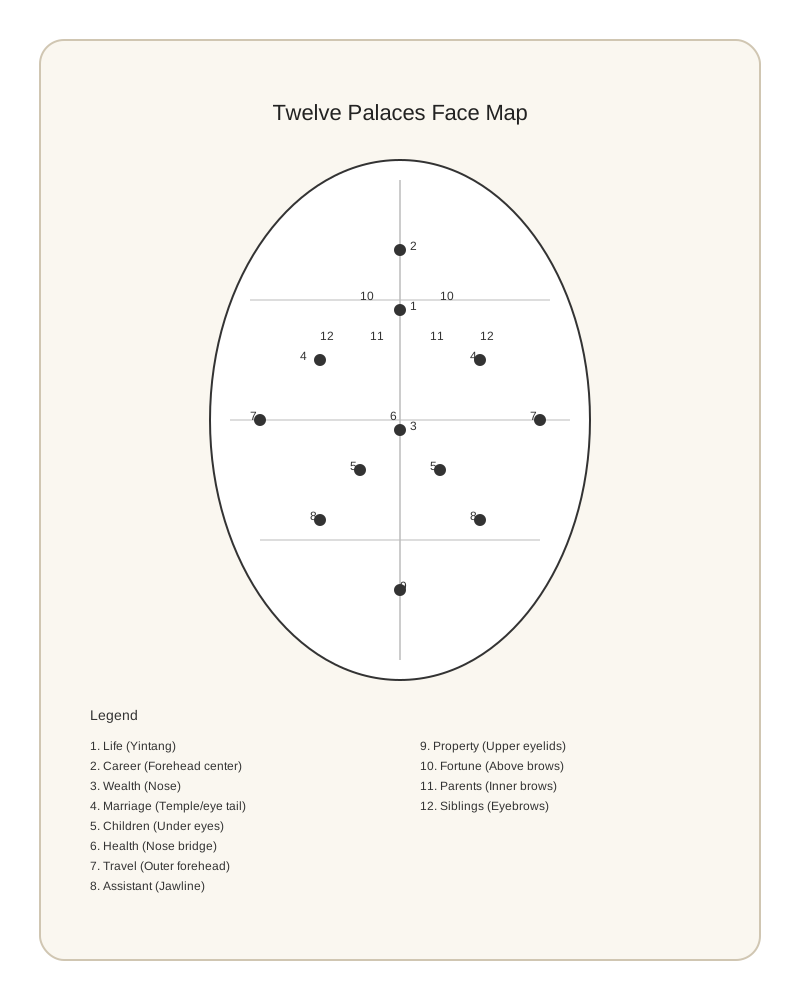
12 Palaces face map (visual reference)
The Twelve Palaces and Their Interpretations / 十二宮位及其解讀
1. Life Palace (命宮 - Mìng Gōng)
Location: Between the eyebrows, specifically the area known as the "Yin Tang" (印堂).
Significance: This is the most crucial palace, representing an individual's core destiny, personality, innate abilities, and overall life fortune. It reflects one's general luck, wisdom, and capacity for success.
- Ideal: Clear, smooth, bright, wide, and full.
- Challenges: Narrow, sunken, dark, with visible lines, scars, or moles.
- Interpretation: A well-formed Life Palace indicates good health, optimism, smooth endeavors, and strong leadership potential. A flawed palace may suggest obstacles, poor health, indecisiveness, or emotional turbulence.
位置: 兩眉之間,即「印堂」部位。
意義: 這是最重要的宮位,代表一個人的核心命運、性格、天賦和整體人生運勢。它反映了一個人的總體運氣、智慧和成功能力。
- 理想: 開闊、平滑、明亮、飽滿。
- 挑戰: 狹窄、凹陷、暗沉、有明顯的紋路、疤痕或痣。
- 解讀: 一個好的命宮預示著健康良好、樂觀積極、事業順遂和強大的領導潛力。有缺陷的宮位可能暗示著障礙、健康不佳、優柔寡斷或情緒波動。
2. Wealth Palace (財帛宮 - Cái Bó Gōng)
Location: The nose, including the bridge, tip, and nostrils.
Significance: Governs an individual's financial fortune, earning capacity, wealth accumulation, and overall relationship with money.
- Ideal: Straight, fleshy, well-defined bridge, full and rounded tip, concealed nostrils.
- Challenges: Crooked, narrow, sharp, fleshy but with visible nostrils, discolored, or with scars/moles.
- Interpretation: A strong Wealth Palace suggests good financial prospects, a stable career, and the ability to manage assets. A less ideal nose might indicate financial struggles, difficulty saving, or unexpected losses.
位置: 鼻子,包括鼻樑、鼻頭和鼻孔。
意義: 掌管一個人的財運、賺錢能力、財富積累以及與金錢的整體關係。
- 理想: 鼻樑挺直、有肉、輪廓分明,鼻頭飽滿圓潤,鼻孔不外露。
- 挑戰: 歪斜、窄小、尖削、有肉但鼻孔外露、色澤不佳或有疤痕/痣。
- 解讀: 好的財帛宮預示著良好的財富前景、穩定的事業和資產管理能力。不理想的鼻子可能暗示財政困難、儲蓄不易或意外損失。
3. Marriage Palace (夫妻宮 - Fū Qī Gōng)
Location: The area around the outer corners of the eyes, extending towards the temples, known as "Jian Men" (奸門) or "Yu Wei" (魚尾 - fish tail).
Significance: Reveals insights into marital harmony, romantic relationships, the nature of one's spouse, and the timing of marriage.
- Ideal: Smooth, fleshy, clear, and unblemished.
- Challenges: Sunken, dark, with prominent lines, scars, moles, or unevenness.
- Interpretation: A well-formed Marriage Palace indicates a harmonious and stable marital life, a supportive spouse, and good romantic fortune. Flaws may suggest marital discord, divorce, difficulty finding a partner, or extramarital affairs.
位置: 眼睛外角延伸至太陽穴的區域,即「奸門」或「魚尾」。
意義: 揭示婚姻和諧、戀愛關係、配偶特質以及結婚時機。
- 理想: 平滑、飽滿、明亮、無瑕疵。
- 挑戰: 凹陷、暗沉、有明顯的紋路、疤痕、痣或不平整。
- 解讀: 好的夫妻宮預示著和諧穩定的婚姻生活、支持性的配偶和良好的感情運。缺陷可能暗示婚姻不和、離婚、尋找伴侶困難或婚外情。
4. Children Palace (子女宮 - Zǐ Nǚ Gōng)
Location: The areas directly beneath the eyes, often referred to as "Lei Tang" (淚堂 - tear hall) or "Wo Can" (臥蠶 - sleeping silkworm).
Significance: Relates to an individual's children, fertility, relationship with their offspring, and creativity. Also connected to sexual health.
- Ideal: Fleshy, full, clear, and slightly protruding, without dark circles or fine lines.
- Challenges: Sunken, dark, dry, with many fine lines, moles, or scars.
- Interpretation: A healthy Children Palace suggests good fertility, dutiful and successful children, and a harmonious parent-child relationship. Flaws might indicate fertility issues, rebellious children, or challenges in child-rearing.
位置: 眼睛正下方區域,常稱為「淚堂」或「臥蠶」。
意義: 與一個人的子女、生育能力、與子女的關係以及創造力有關。也與性健康有關。
- 理想: 飽滿、豐潤、明亮、略微突出,無黑眼圈或細紋。
- 挑戰: 凹陷、暗沉、乾燥、有許多細紋、痣或疤痕。
- 解讀: 好的子女宮預示著生育能力良好、子女孝順有成、親子關係和諧。缺陷可能暗示生育問題、子女叛逆或養育挑戰。
5. Career Palace (官祿宮 - Guān Lù Gōng)
Location: The central part of the forehead, extending from the hairline to the area between the eyebrows, specifically the "Zhong Zheng" (中正) region and above the eyebrows.
Significance: Reflects one's professional path, career prospects, leadership potential, public status, and ambition.
- Ideal: Broad, full, smooth, luminous, and free from blemishes or deep lines.
- Challenges: Narrow, sunken, dark, with horizontal lines, scars, or moles.
- Interpretation: A prominent Career Palace suggests a successful professional life, high ambition, leadership qualities, and good public recognition. A flawed palace might indicate career instability, limited opportunities, or difficulties in achieving recognition.
位置: 額頭中央部分,從髮際線延伸至眉間,特別是「中正」區域以及眉毛上方。
意義: 反映一個人的職業道路、事業前景、領導潛力、社會地位和抱負。
- 理想: 寬闊、飽滿、平滑、有光澤,無瑕疵或深紋。
- 挑戰: 狹窄、凹陷、暗沉、有橫紋、疤痕或痣。
- 解讀: 好的官祿宮預示著成功的職業生涯、高遠的抱負、領導才能和良好的社會認可。有缺陷的宮位可能暗示事業不穩、機會有限或難以獲得認可。
6. Parents Palace (父母宮 - Fù Mǔ Gōng)
Location: The upper corners of the forehead, extending to the hairline, specifically the "Ri Jiao" (日角 - sun corner, left side) and "Yue Jiao" (月角 - moon corner, right side).
Significance: Governs an individual's relationship with their parents, elders, superiors, and authorities. It also reflects their ancestral blessings and early upbringing.
- Ideal: Full, smooth, bright, and symmetrical.
- Challenges: Sunken, narrow, uneven, dark, with visible lines, scars, or moles.
- Interpretation: A well-formed Parents Palace indicates a harmonious relationship with parents, strong family support, and good fortune from elders and superiors. Flaws may suggest strained family relationships, a difficult upbringing, or challenges with authority figures.
位置: 額頭上方的兩側角落,延伸至髮際線,即「日角」(左側)和「月角」(右側)。
意義: 掌管一個人與父母、長輩、上級和權威的關係。也反映其祖先的庇佑和早期教養。
- 理想: 飽滿、平滑、明亮、對稱。
- 挑戰: 凹陷、狹窄、不平整、暗沉、有明顯的紋路、疤痕或痣。
- 解讀: 好的父母宮預示著與父母關係和諧、家庭支持強大,並能獲得長輩和上級的幫助。缺陷可能暗示家庭關係緊張、童年艱難或與權威人物的挑戰。
7. Blessings Palace (福德宮 - Fú Dé Gōng)
Location: The upper regions of the forehead, often associated with the areas known as "Tian Zhong" (天中) and "Tian Ting" (天庭).
Significance: Represents an individual's inherent fortune, mental well-being, longevity, spiritual inclination, and overall happiness. It reflects one's inner peace and quality of life.
- Ideal: Broad, full, smooth, and slightly rounded.
- Challenges: Narrow, sunken, wrinkled, or with prominent blemishes.
- Interpretation: A well-formed Blessings Palace suggests good inherent fortune, a positive outlook, strong mental resilience, and a life filled with contentment. Flaws may indicate anxiety, ill-health in old age, or a tendency towards worry and dissatisfaction.
位置: 額頭上部區域,常與「天中」和「天庭」部位相關。
意義: 代表一個人的天生福氣、精神狀態、壽命、靈性傾向和整體幸福感。它反映了一個人的內心平靜和生活品質。
- 理想: 寬闊、飽滿、平滑、略帶圓潤。
- 挑戰: 狹窄、凹陷、多皺紋或有明顯的瑕疵。
- 解讀: 好的福德宮預示著天生好運、積極樂觀、精神韌性強,生活充滿滿足感。缺陷可能暗示焦慮、晚年健康不佳或傾向於擔憂和不滿。
8. Health Palace (疾厄宮 - Lí È Gōng)
Location: The area between the eyebrows and the bridge of the nose, known as "Shan Gen" (山根 - mountain root) and "Nian Shou" (年壽 - year longevity).
Significance: Reflects an individual's physical constitution, general health, susceptibility to illness, and resilience.
- Ideal: Full, bright, firm, and unblemished.
- Challenges: Sunken, narrow, dark, thin, with visible lines, moles, or discoloration.
- Interpretation: A healthy Health Palace suggests strong physical vitality, resistance to illness, and a long life. Flaws may indicate chronic health issues, weak constitution, or susceptibility to specific ailments.
位置: 兩眉之間至鼻樑的區域,即「山根」和「年壽」。
意義: 反映一個人的體質、整體健康狀況、患病傾向和復原力。
- 理想: 飽滿、明亮、堅實、無瑕疵。
- 挑戰: 凹陷、狹窄、暗沉、細薄、有明顯的紋路、痣或變色。
- 解讀: 健康的疾厄宮預示著強健的體魄、抵抗疾病的能力和長壽。缺陷可能暗示慢性健康問題、體質虛弱或容易患特定疾病。
9. Travel Palace (遷移宮 - Qiān Yí Gōng)
Location: The corners of the forehead near the hairline, extending to the temples, often associated with "Tian Cang" (天倉 - heavenly storehouse) and "Lu Yun" (祿運 - emolument fortune).
Significance: Governs travel luck, reputation away from home, opportunities found in foreign lands, and overall fortune related to movement and external ventures.
- Ideal: Full, rounded, smooth, and bright.
- Challenges: Sunken, narrow, dark, with scars, moles, or unevenness.
- Interpretation: A well-formed Travel Palace suggests good luck when traveling, opportunities abroad, and a positive reputation outside one's hometown. Flaws may indicate travel difficulties, risks of accidents, or challenges in establishing oneself away from home.
位置: 額頭兩側靠近髮際線的角落,延伸至太陽穴,常與「天倉」和「祿運」相關。
意義: 掌管旅遊運、出外名聲、異地機遇以及與移動和外部事業相關的整體運勢。
- 理想: 飽滿、圓潤、平滑、明亮。
- 挑戰: 凹陷、狹窄、暗沉、有疤痕、痣或不平整。
- 解讀: 好的遷移宮預示著旅行順利、異地發展機會良好,以及在外地有良好聲譽。缺陷可能暗示旅行困難、意外風險或在異地發展的挑戰。
10. Siblings Palace (兄弟宮 - Xiōng Dì Gōng)
Location: The eyebrows. The shape, length, and density of the eyebrows are key indicators.
Significance: Reflects relationships with siblings, close friends, peers, and associates. It indicates support from one's network.
- Ideal: Long, thick, neat, flowing smoothly, and extending beyond the eyes.
- Challenges: Short, sparse, messy, broken, or with scars/moles within the eyebrow.
- Interpretation: Well-formed eyebrows suggest harmonious sibling relationships, strong support from friends, and a reliable social network. Flaws may indicate strained sibling bonds, unreliable friends, or disputes within one's peer group.
位置: 眉毛。眉毛的形狀、長度、濃密度是關鍵指標。
意義: 反映與兄弟姊妹、密友、同儕和同事的關係。它指示著來自個人網絡的支持。
- 理想: 長、濃、整齊、順暢,並長過眼睛。
- 挑戰: 短、稀疏、雜亂、中斷或眉中有疤痕/痣。
- 解讀: 好的兄弟宮預示著兄弟姊妹關係和諧、朋友支持強大,以及可靠的社交網絡。缺陷可能暗示兄弟姊妹關係緊張、朋友不可靠或同儕群體內部的爭執。
11. Property Palace (田宅宮 - Tián Zhái Gōng)
Location: The eyelids, particularly the upper eyelids.
Significance: Governs an individual's real estate, inherited property, family assets, and stability of their home life.
- Ideal: Full, fleshy, clear, and unblemished.
- Challenges: Sunken, narrow, thin, with visible lines, dark circles, or moles.
- Interpretation: A well-formed Property Palace indicates good fortune in real estate, inherited wealth, and a stable, comfortable home environment. Flaws may suggest difficulties in acquiring property, financial losses related to assets, or instability in one's living situation.
位置: 眼瞼,特別是上眼瞼。
意義: 掌管一個人的房地產、繼承財產、家庭資產和家庭生活的穩定性。
- 理想: 飽滿、有肉、明亮、無瑕疵。
- 挑戰: 凹陷、狹窄、細薄、有明顯的紋路、黑眼圈或痣。
- 解讀: 好的田宅宮預示著房產運良好、有繼承財富和穩定舒適的家庭環境。缺陷可能暗示置業困難、資產相關的財務損失或居住狀況不穩定。
12. Servants/Subordinates Palace (奴仆宮 - Nú Pú Gōng) / Friends Palace (交友宮 - Jiāo Yǒu Gōng)
Location: The jawline, extending from the cheeks to the chin.
Significance: Reflects relationships with subordinates, employees, colleagues, and one's broader social circle. It indicates support or betrayal from those below or around you.
- Ideal: Full, rounded, firm, and broad, with clear skin.
- Challenges: Narrow, weak, sharp, sunken, with visible lines, scars, or moles.
- Interpretation: A well-formed Servants Palace suggests loyal and supportive subordinates, a strong team, and a beneficial social network. Flaws may indicate issues with employees, betrayal from colleagues, or difficulties in managing people.
位置: 下顎線,從臉頰延伸至下巴。
意義: 反映與下屬、員工、同事和更廣泛社交圈的關係。它指示著來自下屬或周圍人的支持或背叛。
- 理想: 飽滿、圓潤、堅實、寬闊,皮膚清晰。
- 挑戰: 狹窄、無力、尖削、凹陷、有明顯的紋路、疤痕或痣。
- 解讀: 好的奴僕宮預示著下屬忠誠支持、團隊強大和有益的社交網絡。缺陷可能暗示員工問題、同事背叛或管理人員的困難。